When business owners think about cybersecurity, the threat usually comes from somewhere outside the company.
A hacker trying to steal a password. A ransomware group looking for a way into the network. A suspicious email designed to trick an employee.
Those threats are real, but there's another source of cybersecurity risk that's much closer to home: the people who already have access to your systems and information.
That doesn't mean you should start distrusting your employees.
In fact, many internal security incidents don't begin with malicious intent. They start with ordinary decisions: someone shares a password because it's convenient, an employee has access to information they no longer need, or someone pastes sensitive company information into an AI tool without realizing the risk.
The challenge isn't eliminating trust. It's making sure your security doesn't depend on everyone making the right decision every time.
Insider risk isn't always an insider attack
The phrase "insider threat" can make it sound like you're looking for a disgruntled employee plotting against the business.
That can happen, but internal cybersecurity risk is much broader.
An employee could intentionally take customer information before leaving for another company. Someone could deliberately delete files or disrupt systems.
But an employee could also expose information accidentally.
They might send sensitive information to the wrong person, reuse a password, share credentials with a coworker, or access company data from an unapproved personal device.
The result can still be a security incident even when nobody intended to cause one.
That's why businesses need to think about both malicious behavior and everyday human error.
Too much access creates unnecessary risk
One of the simplest questions a business can ask is: Who has access to what?
The answer is often more complicated than expected.
Employees accumulate access as their roles change. Someone receives temporary access to complete a project, but nobody removes it afterward. New applications get introduced. Vendors receive credentials. Former employees may even leave behind accounts that weren't completely deactivated.
Over time, access can expand without anyone intentionally deciding that it should.
A better approach is straightforward: employees should have access to the systems and information they need to do their jobs, but not everything simply because granting broad access is easier.
Review those permissions regularly.
Shared passwords turn accountability into guesswork
"Can you send me your login?"
It's an innocent request that can create a much bigger problem.
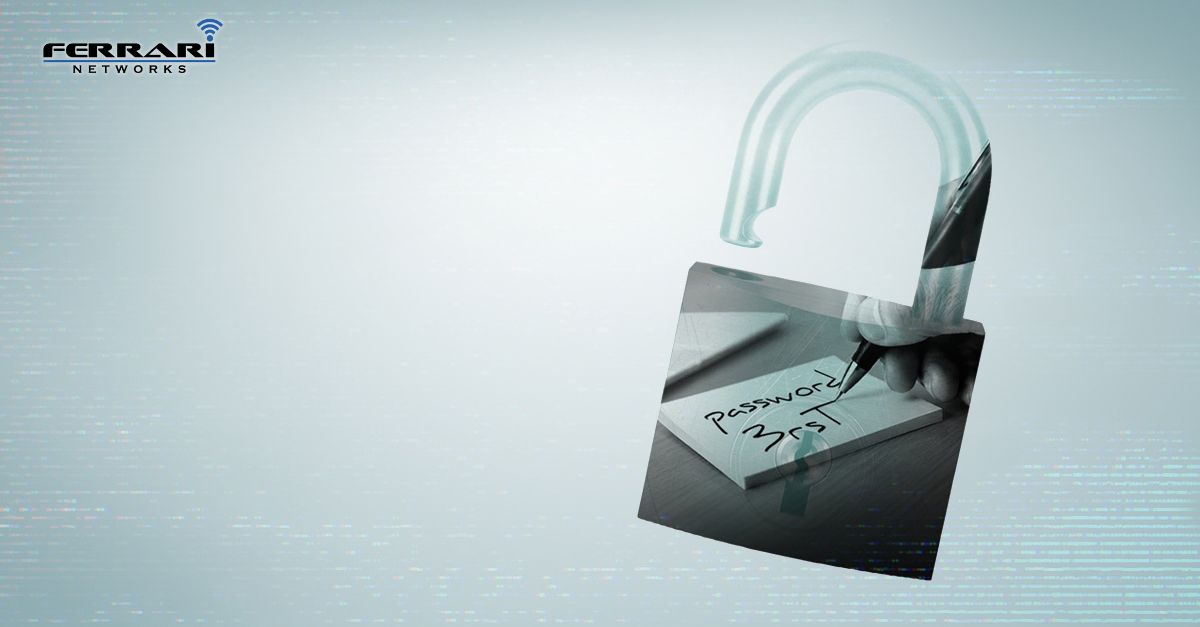
When employees share credentials, you lose visibility into who actually accessed an account or made a change. If those credentials are compromised later, it becomes much harder to determine what happened.
Every employee should have their own account wherever possible, supported by strong authentication practices and multi-factor authentication.
Convenience matters, but not enough to make shared credentials a normal business process.
If several people genuinely need access to the same resource, the better question is whether there's a secure way to provide that access without everyone relying on the same password.
AI has created a new version of an old problem
AI didn't create insider risk, but it has given businesses another place where sensitive information can accidentally go.
An employee wants help summarizing a document, drafting an email, or analyzing information. They open a public AI tool and paste the material into it.
The employee isn't trying to expose company information. They're trying to work faster.
But what did they just share?
Customer information? Financial data? A confidential contract? Internal strategy? Proprietary business information?
Businesses need clear expectations about which AI tools employees may use and what information they can and cannot enter. Simply telling employees "don't use AI" isn't much of a strategy. Neither is allowing everyone to use whatever tools they want.
The goal is to create boundaries that let your team benefit from new technology without introducing risks nobody has evaluated. That starts with understanding the business problem you're trying to solve before adopting another AI tool simply because it's available.
Warning signs deserve context, not assumptions
Technology can help identify activity that deserves attention.
That might include unusual account access, unexpectedly large data transfers, repeated attempts to access restricted information, disabled security controls, or activity from devices the business hasn't approved.
But unusual doesn't automatically mean malicious.
An employee downloading more files than usual might be stealing information—or preparing legitimate materials for a customer meeting.
That's why monitoring should provide visibility, not automatic accusations.
The goal is to identify activity worth investigating early enough that your business can understand what's happening and respond appropriately.
Build security around the way people actually work
You can't eliminate every mistake, and you can't predict every malicious action.
You can make both less likely to become major incidents.
Start with a few fundamentals:
- Control access. Give employees access to what their roles require and review permissions as responsibilities change.
- Use MFA. Add another layer of protection so a stolen password doesn't automatically become access to the account.
- Eliminate unnecessary credential sharing. Individual accounts provide better security and accountability.
- Create an AI use policy. Define approved tools and establish what information employees should never enter into public AI platforms.
- Train your employees. Security awareness should include the situations employees encounter during a normal workday, not just an annual phishing presentation.
- Maintain tested backups. If files are deleted, corrupted, or otherwise lost, you need to know they can actually be restored.
- Prepare your response. A documented incident response plan should establish who needs to be contacted and what happens next if suspicious activity or a security incident is discovered.
None of these controls requires you to assume your employees can't be trusted.
They recognize something much more practical: people make mistakes, roles change, and businesses evolve. Your security needs to account for that reality.
The goal isn't less trust. It's better protection.
Your employees need access to information and technology to do their jobs. Vendors may need access to support your systems. Leaders need the flexibility to keep the business moving.
Cybersecurity shouldn't prevent that work.
It should make sure one mistake, a compromised password, or inappropriate permission doesn't have the opportunity to become a much bigger problem.
That's where the right combination of technology, policies, training, and oversight matters.
Ferrari Networks helps businesses across Buffalo and Western New York evaluate access controls, strengthen cybersecurity practices and put processes in place that reduce risk without making technology harder for employees to use.
If you're not sure where internal cybersecurity gaps may exist in your business, schedule a 10-minute discovery call. We'll help you understand where to look and what deserves attention.