Cybersecurity purchases usually start with a good reason.
You add email security because phishing is getting harder to spot. You add endpoint protection to secure employee devices. You invest in backups, multi-factor authentication, and monitoring because each one addresses a real risk.
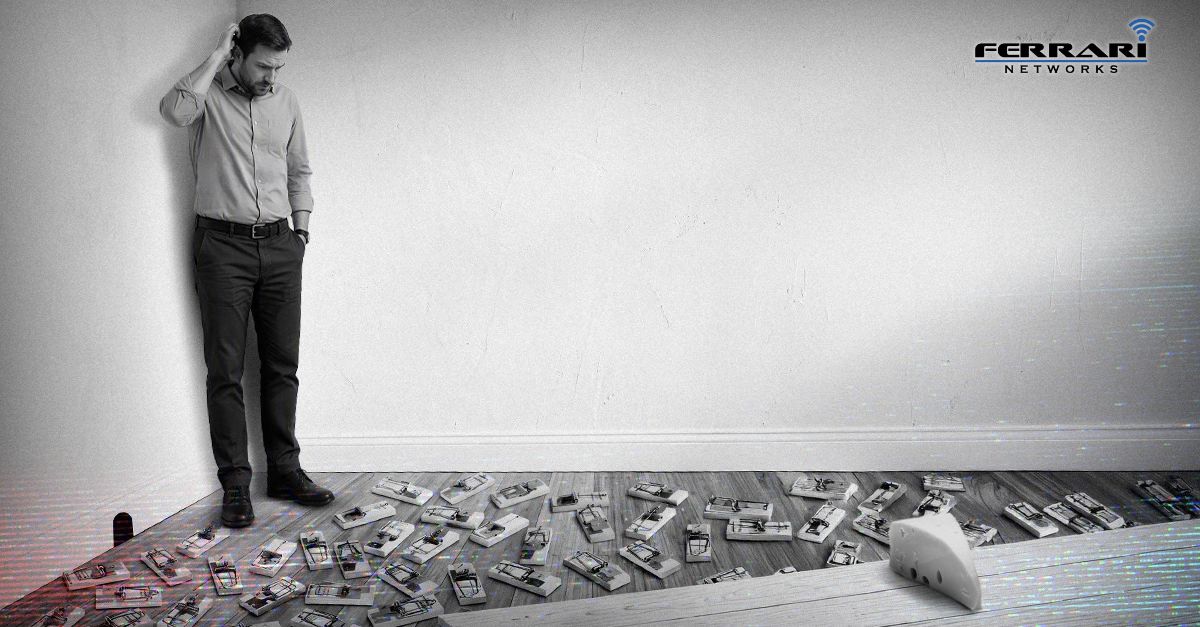
Individually, every decision makes sense. But over time, something can happen that nobody planned for: you end up with a collection of security tools instead of a security strategy.
One tool sends alerts here. Another has its own dashboard. Two products may protect the same thing while something else isn't adequately covered at all.
The question isn't how many cybersecurity tools you have. It's whether they're doing the right jobs together.
Start with what you're trying to protect
It's tempting to approach cybersecurity by asking:
What security tools should we have? A better question comes first: What does our business need to protect?
For one company, the biggest concern might be customer information. Another may depend heavily on cloud applications and employee accounts. A third may have operational systems that can't afford significant downtime.
Until those priorities are clear, it's difficult to know whether your security investments make sense. You could have an impressive list of cybersecurity products and still have a significant gap because nobody stepped back to look at the environment as a whole. Security should begin with risk. The tools come afterward.
More dashboards don't necessarily mean more visibility
Security tools generate information. That's useful until the amount of information becomes difficult to manage.
Imagine one system reporting suspicious logins, another monitoring employee devices, another watching email, and another generating backup notifications. Who's reviewing all of it? More importantly, who decides what needs immediate attention?
A security alert is valuable only when someone understands what it means and knows what to do next. When businesses accumulate tools without a clear monitoring process, important information can get buried among routine notifications. The result is a strange contradiction: the business has more security information than ever but less clarity about what actually matters.
Two tools doing the same job doesn't necessarily mean twice the protection
Software overlap can be surprisingly difficult to spot.
Maybe a newer platform includes functionality you're still paying another vendor to provide. Perhaps two products monitor similar activity. Or an old subscription remained in place after a newer solution was implemented.
That creates a financial question: Are we paying twice for the same protection?
But there's also an operational question. If two tools report different information during an incident, which one does your team trust?
If nobody can clearly explain why both products are necessary, it's worth reviewing whether the overlap is intentional. Every tool should have a defined job.
A security tool can exist without protecting what you think it protects
This is one of the easiest cybersecurity problems to overlook.
The software is installed. The subscription is active. The dashboard is green. So everything must be covered, right?
Not necessarily. Consider what happens as a business changes.
You hire employees. Someone opens another location. New devices are purchased. Applications change. People leave. Roles shift. Vendors gain access to systems they didn't previously use. Those changes can also create internal cybersecurity risks when access and security controls aren't updated along with them.
Your security environment needs to change along with the business. A tool originally configured for one environment may no longer be protecting the environment you have today. That's why configuration and ongoing management matter as much as the original purchase. Buying the software is the beginning of the work, not the end.
Security tools need owners, too
Here's another question worth asking: Who is responsible for each security tool?
Someone should know why the tool exists, what it protects, how it's configured, which alerts matter, and what happens when something goes wrong. Without clear ownership, security products can slowly become background infrastructure everyone assumes somebody else is watching.
That becomes especially important when employees change roles or vendors change. A security control shouldn't depend entirely on one person's institutional knowledge.
Documenting the purpose, configuration, and ownership of your major security systems makes it easier to keep your defenses working as the business evolves.
The real test comes when something goes wrong
A security stack can look great on paper. The better question is what happens when an actual incident occurs. Suppose an employee account is compromised.
- Can your team quickly determine what happened?
- Can you see which systems the account accessed?
- Does someone know which alerts need attention?
- Can the account be contained quickly?
A documented incident response plan connects your security tools to the people, responsibilities, and recovery procedures needed when an alert becomes an actual incident.
Can affected data or systems be recovered if necessary? That also means testing your backups instead of assuming a successful backup notification guarantees a successful recovery.
That's when the difference between owning cybersecurity tools and having a cybersecurity strategy becomes obvious. The products matter, but so do the processes connecting them.
Before buying another cybersecurity product, ask five questions
The next time someone recommends another security tool, don't start with the features.
Start here:
- What specific risk does this solve?
- Do we already have a tool that addresses that risk?
- How will this integrate with what we're already using?
- Who will monitor, manage, and maintain it?
- How will we know it's actually working?
If those questions don't have clear answers, another subscription may create more complexity without meaningfully reducing risk.
Better cybersecurity isn't measured by the size of your security stack
You need the right tools. But you also need someone looking at the entire environment and asking whether those tools make sense together.
That means reviewing what you're protecting, eliminating unnecessary overlap, verifying configurations, defining ownership, and making sure alerts lead to action instead of another unread notification.
The goal isn't to have fewer cybersecurity tools simply for the sake of having fewer tools. It's to have the right security controls, configured correctly and managed as part of a larger strategy.
Ferrari Networks helps businesses across Buffalo and Western New York evaluate their technology and cybersecurity environments, identify unnecessary complexity, and make sure their security investments support the risks they're actually trying to manage.
If you're not sure whether your security tools work together or are simply piling up, schedule a 10-minute discovery call. We'll help you take a practical look at what you have, what it does, and where gaps may exist.